

High-Performance Computing Center Stuttgart (HLRS), University of Stuttgart
Supercomputing for Science, Industry, and Society.
Organisation Type: Higher Education Institution
Countries of Operation: Germany
Core Expertise: High-Performance Computing (HPC) • Artificial Intelligence (AI) • Training and skills development • User support

Who are you beyond GreenShift?
The High-Performance Computing Center Stuttgart (HLRS) was established in 1996 as the first German national high-performance computing center, building on a tradition of supercomputing at the University of Stuttgart that stretches back to 1959.
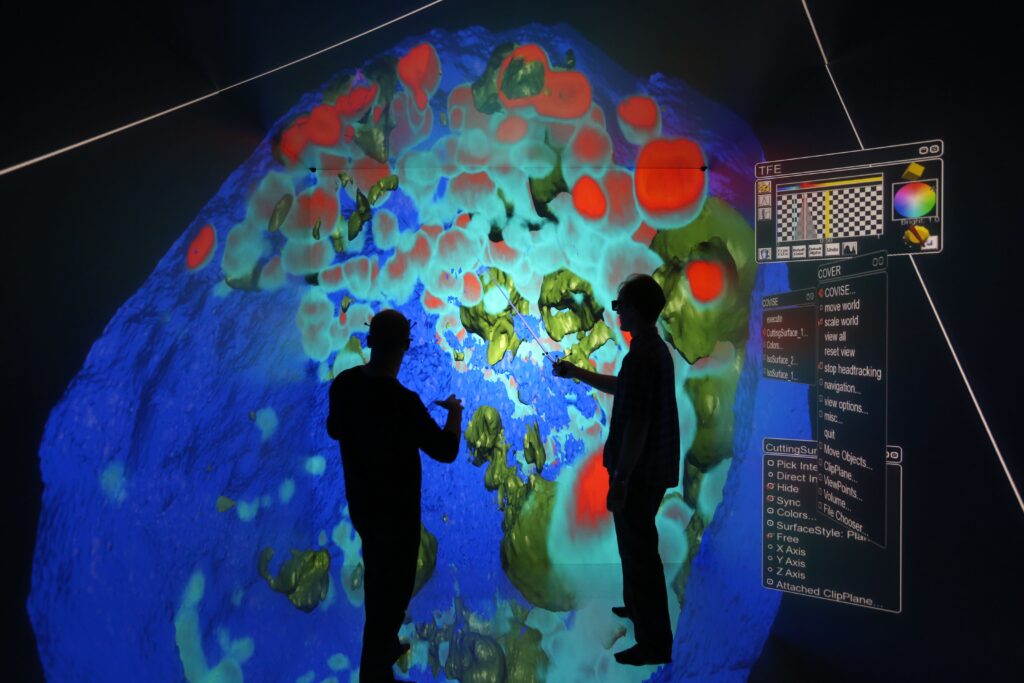
As a research institution affiliated with the University of Stuttgart and a founding member of the Gauss Centre for Supercomputing — the alliance of Germany’s three national supercomputing centers — HLRS provides state-of-the-art HPC services to academic users and industry. HLRS operates one of Europe’s most powerful supercomputers, provides advanced training in HPC programming and simulation, and conducts research to address key problems facing the future of supercomputing. Among HLRS’s areas of expertise are parallel programming, numerical methods for HPC, visualization, cloud computing concepts, high-performance data analytics (HPDA), and artificial intelligence. Users of HLRS computing systems are active across a wide range of disciplines, with an emphasis on computational engineering and applied science.
What do you bring to GreenShift?
HLRS brings internationally recognised expertise in high-performance computing, numerical modelling, and large-scale simulation for complex technical systems to GreenShift.
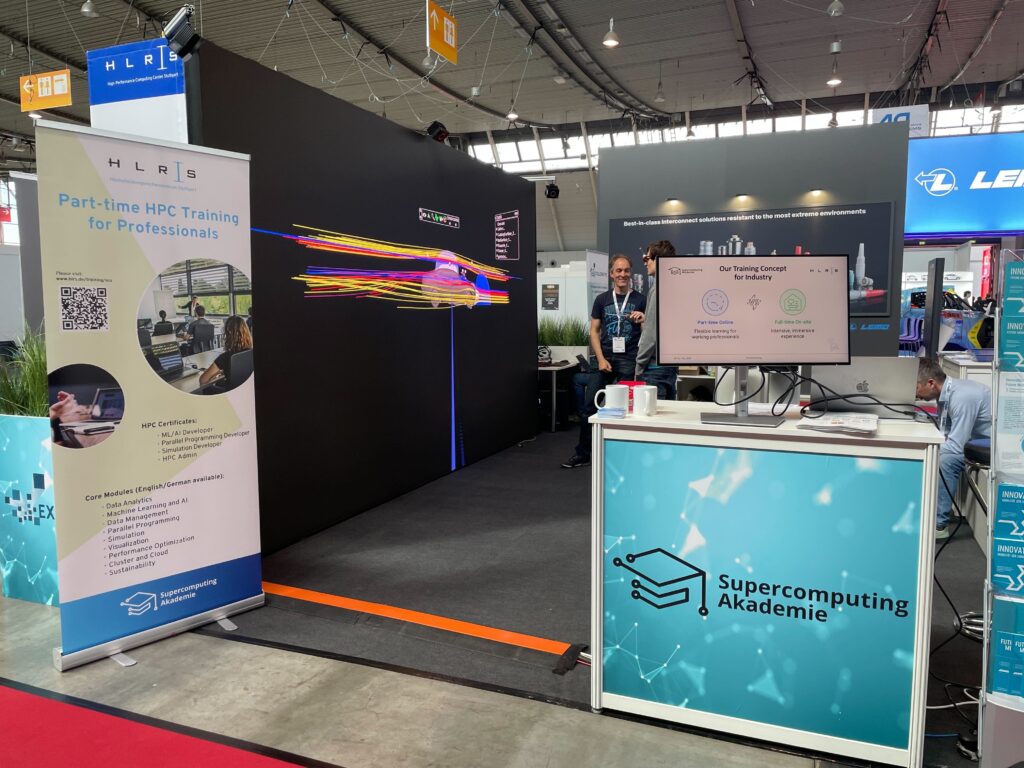
As a leading European supercomputing centre, HLRS combines cutting-edge research with extensive experience in training and education, particularly at the interface of HPC, AI, and industrial applications.
Within GreenShift, HLRS will take a leading role in developing the European Mobility Program, facilitating the transfer of talent and expertise across organisations and borders. It will also play a central role in curating short courses and micro-credentials to address industry-specific needs and ensuring that students gain hands-on experience with state-of-the-art HPC infrastructures and methodologies. Furthermore, HLRS will heavily contribute to Industry Certifications for GreenShift’s Master’s, in synergy with its own activities as part of Project EVITA. Through its strong links to industry, SMEs, and European research networks, HLRS will also contribute practical perspectives, real-world use cases, and access to a broad innovation ecosystem – strengthening the programme’s relevance, visibility, and long-term impact on sustainable transport and digital transformation in Europe.
Lorenzo Zanon, Head of Department “Training and Scalable Algorithms”
"“GreenShift brings together two fields that are central to HLRS: high-performance computing and applied AI for solving complex, real-world challenges. With our expertise as a leading training centre in these fields, we aim to equip the next generation of experts with the skills to accelerate the decarbonisation and the digital transformation of Europe’s transport systems.”"